Fine dining restaurants on the French Riviera deserve more planning than you think
Have you ever lost a table at a great restaurant because you simply waited too long?
It happens more than most visitors expect. The French Riviera is one of the most visited stretches of coastline in France, and its dining scene reflects that pressure. Fine dining restaurants French Riviera booking is not something you can treat casually, especially if you have a specific place in mind. Whether you are heading to Nice for a weekend, exploring the Côte d'Azur by car, or arriving by yacht somewhere between Saint-Tropez and Monaco, understanding how the system works here will save you real disappointment.
This guide starts from the basics and builds toward the practical. It is written for anyone who loves good food and wants to eat well along this coastline without the guesswork.
What does fine dining actually mean on the French Riviera?
The term gets used loosely, so it helps to define it here. On the French Riviera, fine dining generally refers to restaurants where the chef drives a distinct culinary vision, where service is structured and attentive, and where the experience extends well beyond the plate. That can mean a hotel restaurant with a panoramic view, a standalone address with Michelin stars, or a more intimate room where a single chef produces something genuinely personal.
The Michelin Guide is the most recognized benchmark in this part of France. A restaurant earning Michelin stars signals that inspectors have returned multiple times and found consistency, technique, and originality. The distinction matters because it also signals demand. Michelin-starred addresses fill weeks in advance, particularly during summer and the early autumn season.
Haute cuisine, a related term, refers specifically to the classical French tradition of elaborate preparation and refined presentation. Some restaurants here honor that tradition directly; others reinterpret it through local produce, Mediterranean influences, or more contemporary ideas. Understanding that distinction helps you choose the right room for the right occasion.
Which restaurants are actually worth the effort to book?
The honest answer is that the best restaurant depends entirely on what you are looking for. That said, some names appear consistently across serious recommendations, and each offers something genuinely distinct.
Mirazur in Menton holds three Michelin stars and is frequently cited as the finest restaurant on the French Riviera for those who want biodynamic cuisine paired with extraordinary sea views. Its position near the Italian border means the menu draws from both traditions, and its gardens supply much of what arrives on your plate. Booking here requires significant lead time, often several months ahead.
In Nice, Onice has made a strong impression as a Michelin-starred address in the historic port quarter. Its setting is intimate, its cooking inventive, and it represents exactly the kind of dining experience that the city's most discerning visitors are now seeking. For those who want something more grounded in tradition, Le Bistrot d'Antoine offers the other end of the spectrum: no concept cooking, just honest French bistro fare executed with care. Think beef salad with anchovy dressing, butter risotto with truffles, and sliced leg of lamb. It is one of the most beloved places to eat in Nice precisely because it does not try to be more than it is.
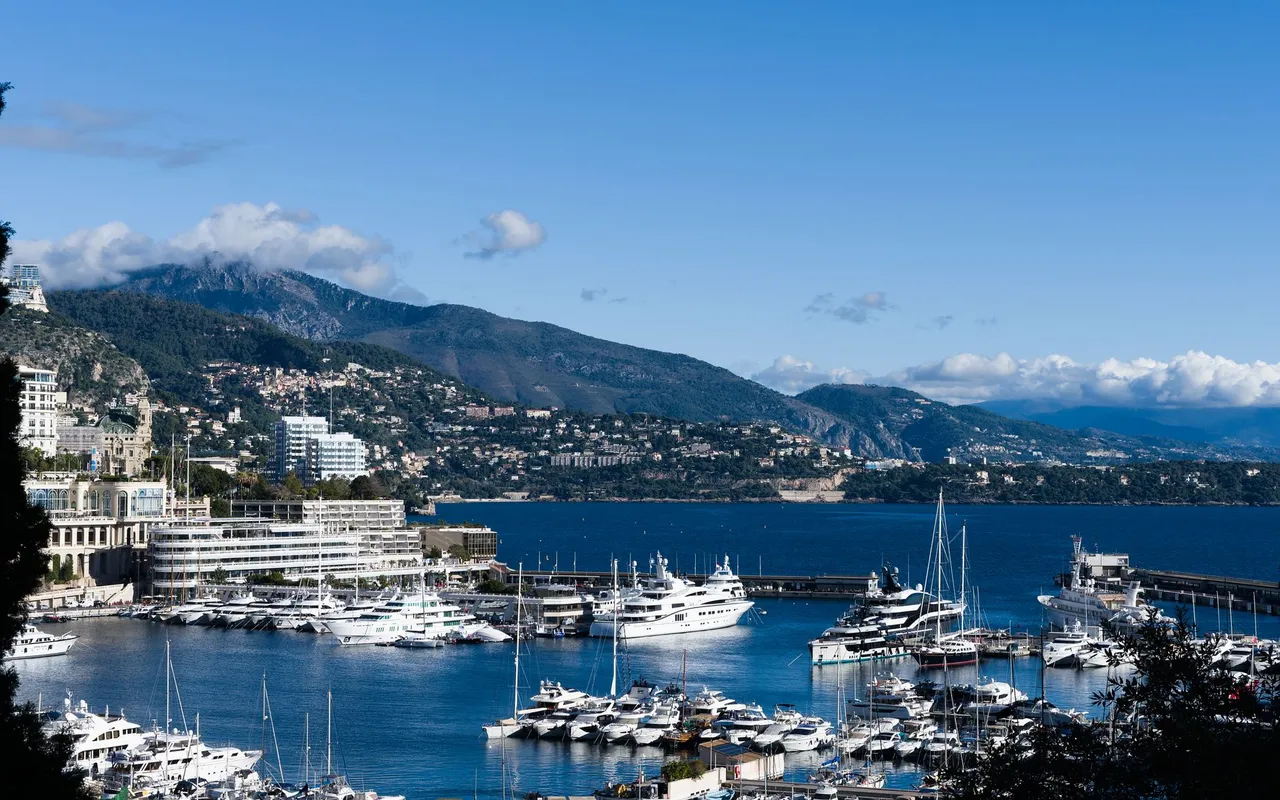
Near Cap Ferrat, African Queen is a well-known option for lunch or a lively dinner. It sits portside, directly across from a row of yachts, and serves a menu that blends Italian and Mediterranean influences. Its atmosphere comes alive in the evening, and it draws a crowd that appreciates the setting as much as the food. Families find it welcoming; the vibe is relaxed rather than formal.
For those traveling with access to a boat, arriving at fine dining restaurants French Riviera style by sea changes the experience entirely. Lunch on this coastline has a different rhythm when you anchor in a bay and step ashore without the stress of coastal road traffic. Some of the best lunch spots are designed with exactly this arrival in mind.
Where do celebrities eat, and does it matter for your booking strategy?
Antibes and the surrounding area have long attracted a certain kind of high-profile visitor, and the restaurants that serve that crowd tend to be well-staffed and polished. The key insight here is that celebrity-adjacent restaurants are not always the ones with the most interesting food. They are often chosen for privacy, for a reliable kitchen, and for a room that handles high expectations without fuss.
For most travelers, the more useful question is not where celebrities eat but where the cuisine is most honest and the booking most achievable. Nice has a strong dining scene that rewards those who look slightly beyond the obvious. The city's best restaurant options range from Michelin-starred rooms to neighborhood addresses that locals return to for years. Monaco, for its part, concentrates a remarkable density of high-end kitchens within a very small area, which makes it worth a dedicated evening if you are already on the eastern stretch of the coast.
How does fine dining restaurant booking actually work here?
This is where the practical detail matters. Most fine dining restaurants French Riviera booking now operates through online reservation systems, and the better addresses fill their most desirable tables quickly. There are a few things experienced visitors understand that first-timers often learn the hard way.
For a restaurant with two or three Michelin stars, plan to book at least six to eight weeks ahead during the high season. La Table du Castellet, for example, is a renowned address that draws guests from across France and beyond; this kind of destination requires real advance planning. For hotel restaurants attached to properties like the Grand Hôtel du Cap-Ferrat, guests staying at the hotel often receive priority, which is one quiet argument for choosing your accommodation with your dining ambitions in mind.
Lunch is consistently more accessible than dinner at the same address. Lunch bookings at starred restaurants are frequently easier to secure, and some chefs offer their most creative menus at midday. If your first choice is fully booked for dinner, always ask about lunch before giving up entirely.
Cancellations happen, particularly in early September when some summer visitors depart. Checking availability again a week before your visit is a habit that pays off more often than you might expect. A quick call to the restaurant directly, rather than relying solely on the online system, can also surface tables that have not yet been released back into the booking platform.
What is considered impolite when eating in France?
This question comes up for a reason. French dining culture has its own rhythms, and respecting them is part of the experience. Arriving significantly late without calling ahead is genuinely disruptive for the kitchen and the front of house. Asking for substitutions in a menu that the chef has designed as a whole is seen differently here than in other countries; it is not always refused, but it is not the norm.
Asking for your food to be rushed, or requesting the bill before you are ready to leave, signals a misunderstanding of what the meal is meant to be. In France, and particularly in the south of France, a long lunch or dinner is the point. The sea bass arrives when it is ready. The rhythm of the meal belongs to the kitchen as much as to the guest.
For those who are new to this kind of dining experience, the simplest approach is to arrive on time, trust the menu, and allow the meal to unfold at its own pace. Treating the reservation as a commitment on your part, not just theirs, changes everything about how the evening feels. That posture is noticed, and it is quietly rewarded.
About the author
Mateo
Working across the Côte d'Azur's luxury sector for over a decade, Mateo brings an insider's perspective to regional stories that matter. His reporting focuses on how local developments—real estate shifts, hospitality trends, cultural initiatives—shape the Riviera's landscape and influence those who live and invest here. Rather than surface-level coverage, he examines the forces reshaping the region's identity.