What actually makes an Airbnb unique guesthouse feel rooted in its region?
What does "unique guesthouse with regional character" really mean?
The phrase gets used a lot on listing platforms, but it deserves a clear definition before anything else. A unique guesthouse with regional character is a property that reflects the architectural traditions, local materials, cultural atmosphere, and even the pace of life specific to its location. It is not simply a house that has been decorated with a few vintage items or a framed map on the wall. The distinction matters because travelers booking an airbnb unique guesthouse charming regional character are, consciously or not, seeking something that could not exist anywhere else.
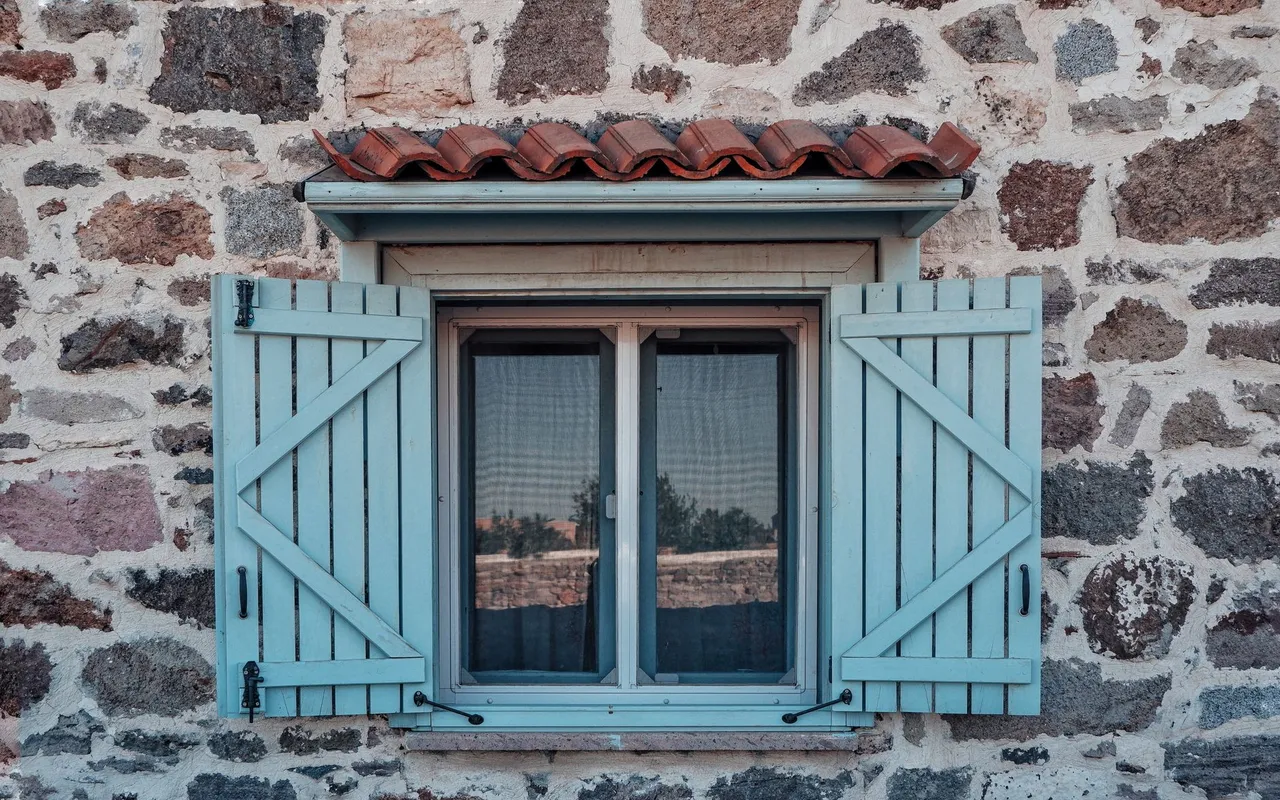
Think of a bastide in the Var with its exposed limestone walls and terracotta floor tiles, or a fisherman's cottage on the Breton coast where the ceiling beams are salvaged timber and the shutters are painted in the same faded blue you find on every neighboring house. These properties carry a sense of place that a generic apartment, however well-appointed, simply cannot replicate. That sense of place is the product of decisions made over decades, sometimes centuries, and it is precisely what a growing segment of travelers is willing to pay a premium to experience.
Why are guests increasingly drawn to character-rich properties?
The shift has been gradual but consistent. After years of standardized hotel rooms and cookie-cutter vacation rentals optimized around neutral palettes and interchangeable furniture, a significant portion of the market has moved in the opposite direction. Guests want friction in the best sense: low doorframes, uneven floors, a wood-burning stove that requires actual attention. These imperfections signal authenticity, and authenticity has become a genuine luxury.
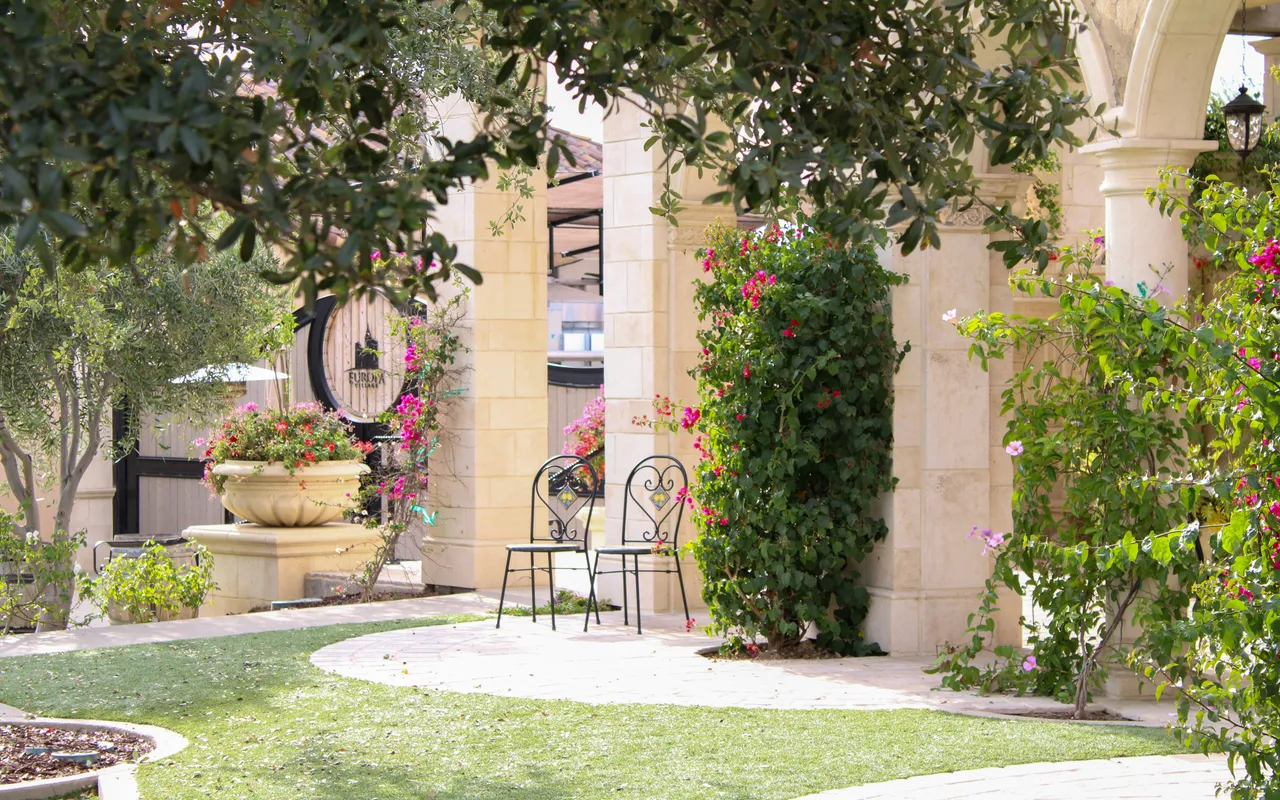
This is especially visible in destinations like the Côte d'Azur, Provence, and the Basque Country, where the built environment itself is part of the appeal. A traveler who books a restored mas outside Saint-Rémy-de-Provence is not just renting accommodation; they are renting proximity to a specific aesthetic and historical narrative. The property becomes part of the experience rather than a neutral backdrop for it. Hosts who understand this dynamic tend to attract guests with longer average stays, stronger review scores, and higher repeat-booking rates.
There is also a practical dimension. Properties that genuinely reflect their region are harder to replicate and therefore face less direct price competition. A well-maintained modernist villa with no particular local character competes against hundreds of similar listings. A guesthouse built from local schist with a garden planted in native lavender and rosemary occupies a much narrower, more defensible category.

How do hosts build or preserve regional character without turning a property into a museum?
This is where many hosts get stuck. The instinct, once you recognize the value of regional character, is to lean into every possible local reference until the property feels theatrical rather than lived-in. A trullo in Puglia does not need ceramic donkeys on every surface to communicate where it is. The architecture does that work on its own.
The more useful approach is to identify the two or three elements that are genuinely irreplaceable in a given property and protect them fiercely while allowing the rest to be comfortable and functional. In a Provençal farmhouse, that might mean preserving the original tomette floor tiles, maintaining the stone-framed fireplace, and keeping the exterior render in the traditional ochre or sand tones of the area. The kitchen can be modern. The bathroom can be contemporary. Guests are not looking for an ethnographic reconstruction; they are looking for a place that feels honestly connected to where it stands.
Material sourcing is one of the most overlooked tools here. When renovation work is needed, choosing local craftspeople and regional materials, even at a slightly higher cost, tends to produce results that read as authentic rather than applied. A joiner from the Luberon working in local oak will produce shutters that look right in a way that factory-made equivalents simply do not, regardless of how well they are painted.

Furnishing choices follow a similar logic. Antique markets in the region, local brocantes, pieces inherited from the original property: these are almost always more effective than curated "rustic" collections ordered from a catalog. The imperfection and wear of genuinely old objects carries information that reproductions do not.
What role does storytelling play in a successful Airbnb unique guesthouse listing?
Once a property has genuine regional character, the listing itself becomes the vehicle for communicating that character to potential guests. This is an area where many hosts underinvest. A few photographs and a brief description focused on bedroom count and proximity to the nearest beach will not convey what makes a property worth choosing over the alternatives.
Effective listings for an airbnb unique guesthouse charming regional character tend to do several things well. They name specific architectural or historical features and explain why they matter. They describe the surrounding landscape in concrete sensory terms rather than generic superlatives. They give guests a sense of what daily life in the property actually feels like: the light at a particular time of day, the sound of the village market on a weekend morning, the smell of the herb garden after rain.
Photography plays an obvious role, but the framing matters as much as the quality. Images that show the property in relation to its landscape, that capture the texture of old stone or the patina of worn wood, communicate regional character more effectively than wide-angle shots designed to make rooms look as large as possible. Both types of image serve a purpose, but the character shots are what differentiate a listing from the competition.
Does regional character require a historic building?
Not necessarily, though it helps. Some of the most compelling character-driven properties on the market are relatively recent constructions built using traditional techniques and materials. A contemporary home in the Basque Country that uses the local half-timbered facade style, incorporates regional stone, and sits within a landscape of rolling green hills can feel deeply rooted in its context even if it was built within the last few decades.
What regional character does require is intentionality. It does not happen by accident. A host who buys a property in a distinctive location and then renovates it with generic materials and neutral international-style furnishings will end up with a property that could be anywhere, regardless of the view from the terrace. The decisions made at every stage of the renovation and decoration process either accumulate into a coherent sense of place or they dilute it.
Guest experience design extends this logic beyond the physical property. Local recommendations that go beyond the obvious tourist circuit, a welcome basket stocked with regional products, a brief guide to the architectural history of the area: these additions cost relatively little but reinforce the sense that the host is genuinely embedded in the place they are renting. Guests notice, and they mention it in reviews.
The properties that consistently perform best in the character-driven segment of the short-term rental market are those where every layer of the experience, from the first photograph in the listing to the last morning in the garden, tells a coherent story about a specific place. That coherence is not accidental. It is the result of sustained attention to what makes a location genuinely itself.
About the author
Nicolas Clémenceau
Navigating the complexities of regional development requires understanding both local stakeholders and broader economic patterns. Nicolas Clémenceau examines how territorial initiatives reshape communities, focusing on the intersection of policy, infrastructure, and cultural heritage. His reporting on regional dynamics emphasizes concrete outcomes over institutional narratives.