When You Want More Than a Mall: Finding the Right Luxury Shopping Boutiques Region
The answer is direct: not every city delivers the same luxury shopping experience, and the region you choose shapes everything from the brands available to the atmosphere inside each store. France, Italy, and the broader Mediterranean arc remain the most consistent destinations for travelers and residents who take high-end retail seriously. Whether you are searching for a flagship designer store on a grand boulevard or a discreet jewelry atelier tucked behind a sun-bleached façade, the geography of luxury is not random. It follows history, wealth concentration, and the particular pride that certain cities take in their fashion identity. Knowing where to go before you go saves time and, frankly, disappointment.
Understand What Each City Actually Offers
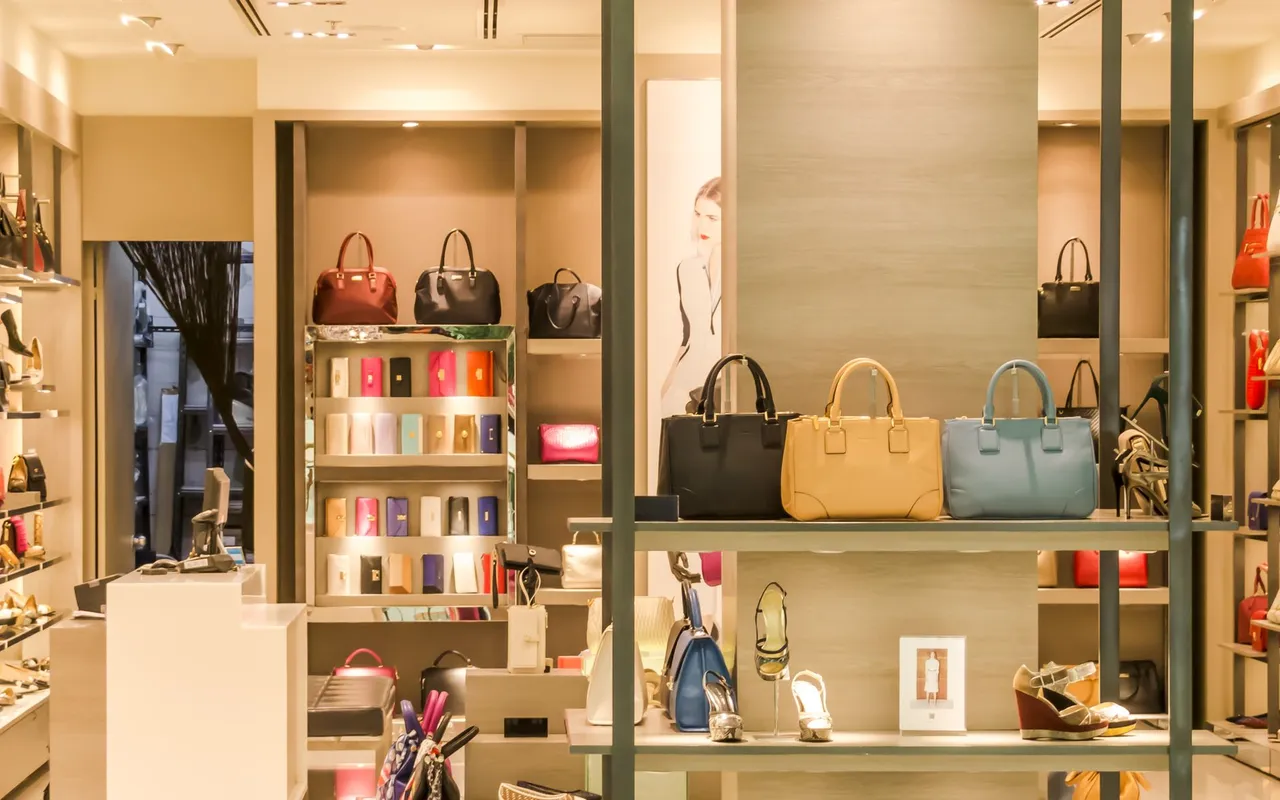
Paris is still the city most fashion professionals point to first, and for good reason. The stretch between Place Vendôme and Avenue Montaigne concentrates more designer stores per square meter than almost anywhere else on the planet. You find Louis Vuitton, Chanel, Dior, and Hermès all within walking distance, each shop presenting its own architectural statement. But Paris is also one of the most expensive cities in which to buy luxury goods, partly because of local taxes and partly because flagship stores rarely discount. For buyers focused on value, that matters. The shopping district around Rue du Faubourg Saint-Honoré is spectacular to visit, yet it rewards browsers as much as buyers.
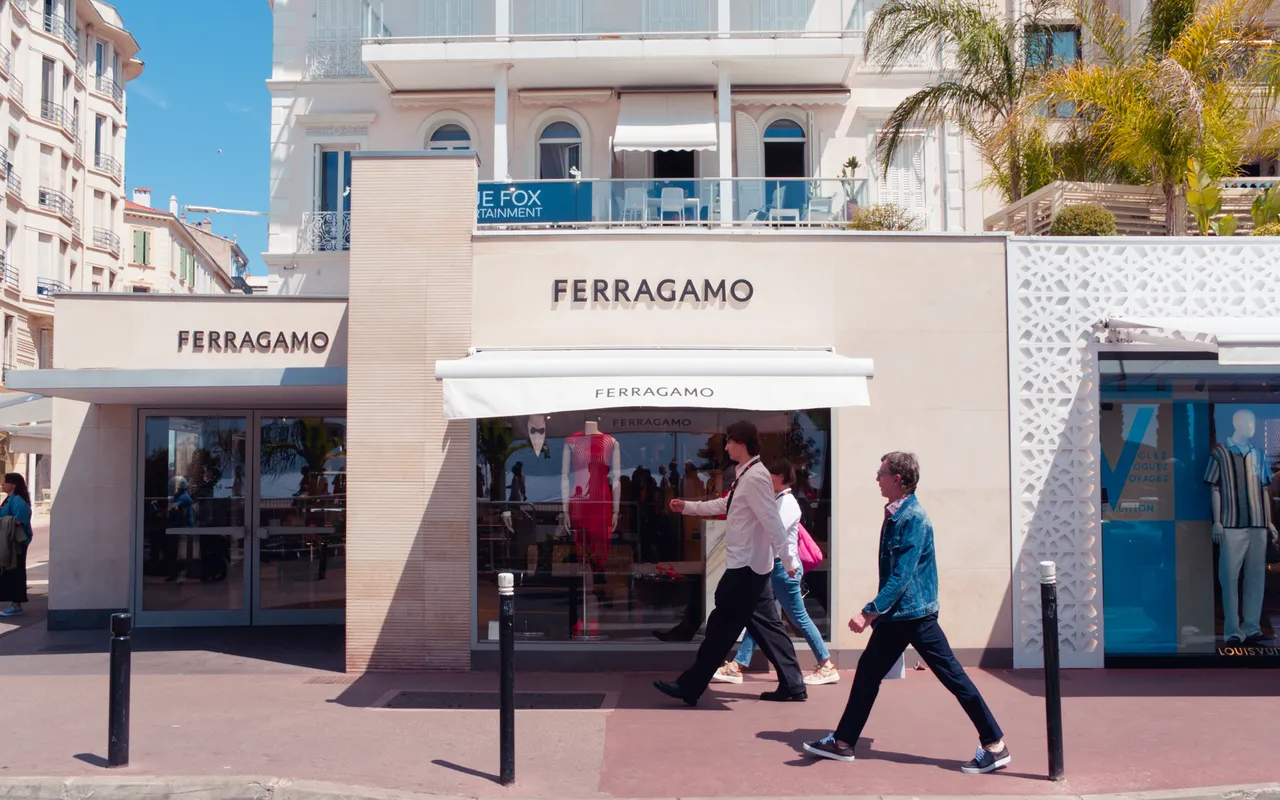
Milan operates differently. The Quadrilatero della Moda, the city's celebrated fashion district, draws professionals from the industry who treat it less like tourism and more like a working reference. Stores here carry deeper seasonal selections, and the staff in many boutiques speak to customers with a level of product knowledge that is harder to find elsewhere. Italian craftsmanship sits at the center of the offer: leather goods, shoes, and accessories made with an attention to construction that the best brands in the world still associate with this city. Some travelers combine Milan with a drive to the factory outlets of Serravalle Scrivia, where the price gap on certain designer pieces becomes genuinely significant. The city rewards those who come prepared, with a clear sense of what they are looking for and which houses they want to visit.
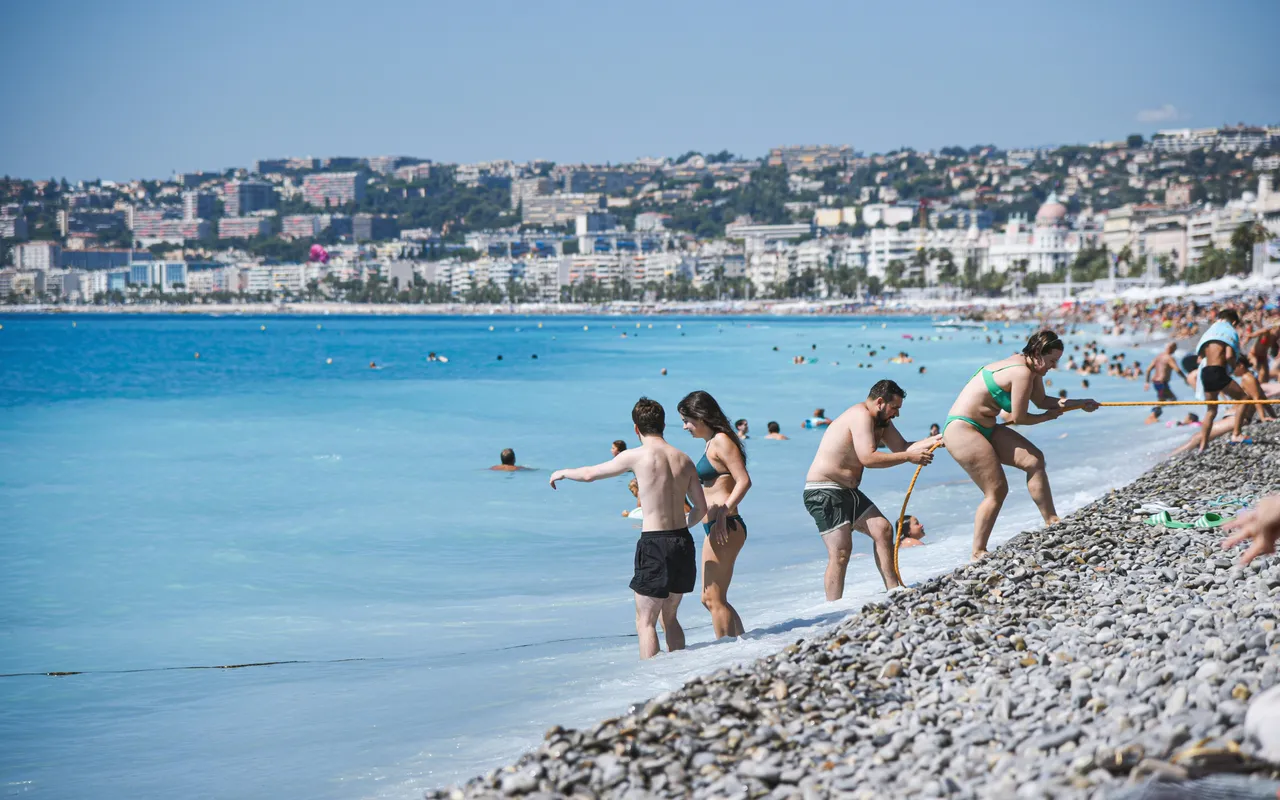
The Côte d'Azur presents a third model entirely. Cities like Cannes, Monaco, and Saint-Tropez are not traditional fashion capitals, but they host some of the most concentrated luxury shopping boutiques in the region, drawing a clientele whose expectations are consistently high. Monaco's Carré d'Or is a compact shopping district where store density rivals central Paris, with the added context of an exceptionally wealthy resident population that keeps demand steady year-round. Cannes along La Croisette carries flagship shops and independent boutiques side by side, and the atmosphere is more relaxed than a capital city, which changes how you shop. Art galleries, jewelry houses, and home goods dealers sit between fashion stores, making the experience genuinely varied and worth an unhurried afternoon.
Shop with Intention, Not Just Appetite
One of the most common mistakes among first-time luxury shoppers is treating every store as equally worth entering. The best shopping comes from research done before you arrive. Certain boutiques in Nice's old town carry regional designers whose work you simply cannot find online or in larger cities, and that uniqueness is precisely what makes them worth the detour. High-end concept stores in Aix-en-Provence stock a curated mix of French and international brands that reflects the city's particular aesthetic, one that is more understated than Monaco and more personal than Paris. For accessories and jewelry specifically, smaller cities in Provence and along the Riviera often host artisans whose pieces are both unique and competitively priced compared to flagship stores in capital cities.
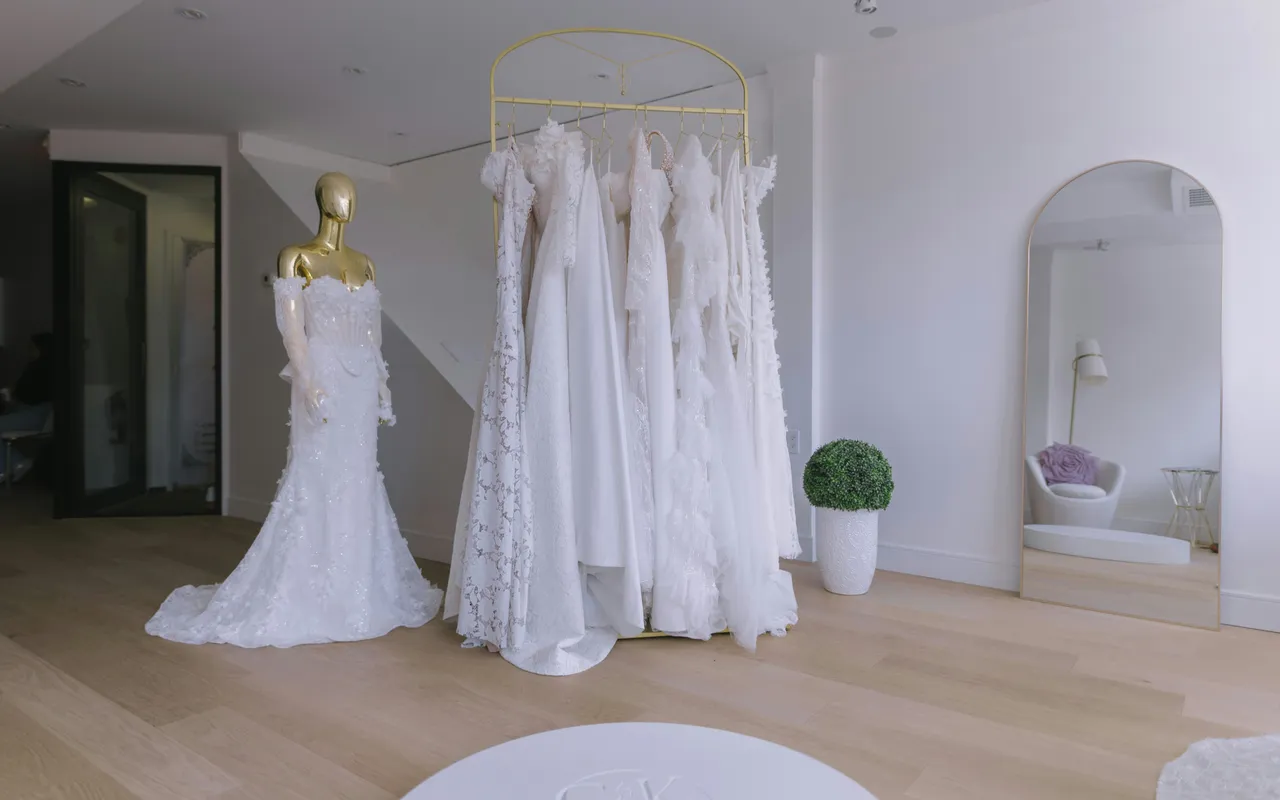
The question of which country offers the most favorable entry point to luxury goods is one that serious buyers raise often. Japan and South Korea have historically offered lower prices on European brands like Louis Vuitton due to favorable exchange rates and lower local taxes, though brands have worked hard to harmonize global pricing in recent years. Within Europe, some buyers find that purchasing in smaller French or Italian cities, where tourist markups are less aggressive, produces modest savings. The more durable strategy, however, is to focus on stores that offer VAT refunds for non-EU residents, which can bring the effective price of a designer purchase down by ten to fifteen percent. That applies across the region, from Paris to the smallest boutique on the Côte d'Azur, and it is worth confirming before you reach the register.
For those who live in or regularly visit the south of France, the luxury shopping boutiques region between Cannes and Monaco is arguably the most enjoyable to navigate. It combines a genuinely beautiful physical environment with shops that are accustomed to international clientele and knowledgeable about their products. The fashion offer here skews toward resort wear, yacht-ready accessories, and fine jewelry, which reflects the lifestyle of the people who shop here most. That specificity is a feature, not a limitation. Knowing that a city's stores are shaped by its residents and their habits helps you shop more intelligently, choosing the destination that matches what you are actually looking for rather than defaulting to the most famous name on the map.
The broader lesson is that luxury retail is deeply local, even when the brands are global. The same designer coat hangs differently in a Monaco boutique than in a Paris flagship, because the staff, the clientele, and the surrounding city all shape the experience. Visiting the right city for your specific needs, whether that is fashion, art, home goods, or jewelry, produces better results than simply heading to the most prestigious address. The region between the French Riviera and northern Italy remains one of the world's most rewarding areas for this kind of shopping, and it rewards those who approach it with some preparation and genuine curiosity.

About the author
Nicolas Clémenceau
Navigating the complexities of regional development requires understanding both local stakeholders and broader economic patterns. Nicolas Clémenceau examines how territorial initiatives reshape communities, focusing on the intersection of policy, infrastructure, and cultural heritage. His reporting on regional dynamics emphasizes concrete outcomes over institutional narratives.