5 Reasons Regional Museums and Cultural Attractions Deserve More of Your Time
Regional museums and cultural attractions are far more than rainy-day fallbacks. They are living archives, carefully curated spaces where the history of a place becomes tangible, where art speaks without translation, and where the distance between past and present collapses into something you can actually touch. Whether you are spending a week on the Côte d'Azur or passing through a mid-sized American city, the museum landscape around you is almost always richer than it first appears.
What actually makes a cultural attraction worth your visit?
The most visited museums in the world, the Louvre, the Metropolitan Museum of Art, the Smithsonian's National Museum of Natural History, the British Museum, draw millions of visitors each year precisely because they have spent decades building collections that feel inexhaustible. But the logic that makes those institutions extraordinary applies just as much at the regional level. A well-run history museum in a smaller city can hold exhibits that no major institution would bother to replicate: local craft traditions, forgotten industrial heritage, the kind of granular state history that national museums simply cannot afford the floor space to tell. The difference is scale, not substance. Visitors who approach regional art galleries and historic sites with the same curiosity they would bring to a flagship institution almost always leave surprised.
The best places to visit for culture are rarely the ones that appear first in a search result. They tend to be the ones that have something specific to say, a center dedicated to a single artistic movement, a museum of art built around one collector's obsessive vision, a science center that has quietly become the best in its region without ever chasing international headlines. The Musée Picasso in Antibes is a perfect example: housed in a historic château directly on the Mediterranean, it holds a collection that Picasso himself donated after working in the space in 1946. It is not the largest art museum in France, but for anyone serious about understanding how Picasso's work evolved through that particular postwar moment, it is irreplaceable. That kind of specificity is what separates a memorable visit from a forgettable one.
How do you find the right museum for what you actually want?
The practical answer is to think in terms of what a place is genuinely for, rather than how large or famous it is. A history museum built around a specific trade route, a colonial-era center, or a frontier story will always outperform a generalist institution if that particular slice of history is what you came to understand. Guided tours, when they are available, compress this process dramatically. A knowledgeable guide can move you through exhibits in a way that builds meaning rather than just presenting objects. Most regional museums with strong education programs offer this, and the difference between walking through a collection alone and walking through it with someone who has spent years studying its contents is significant.
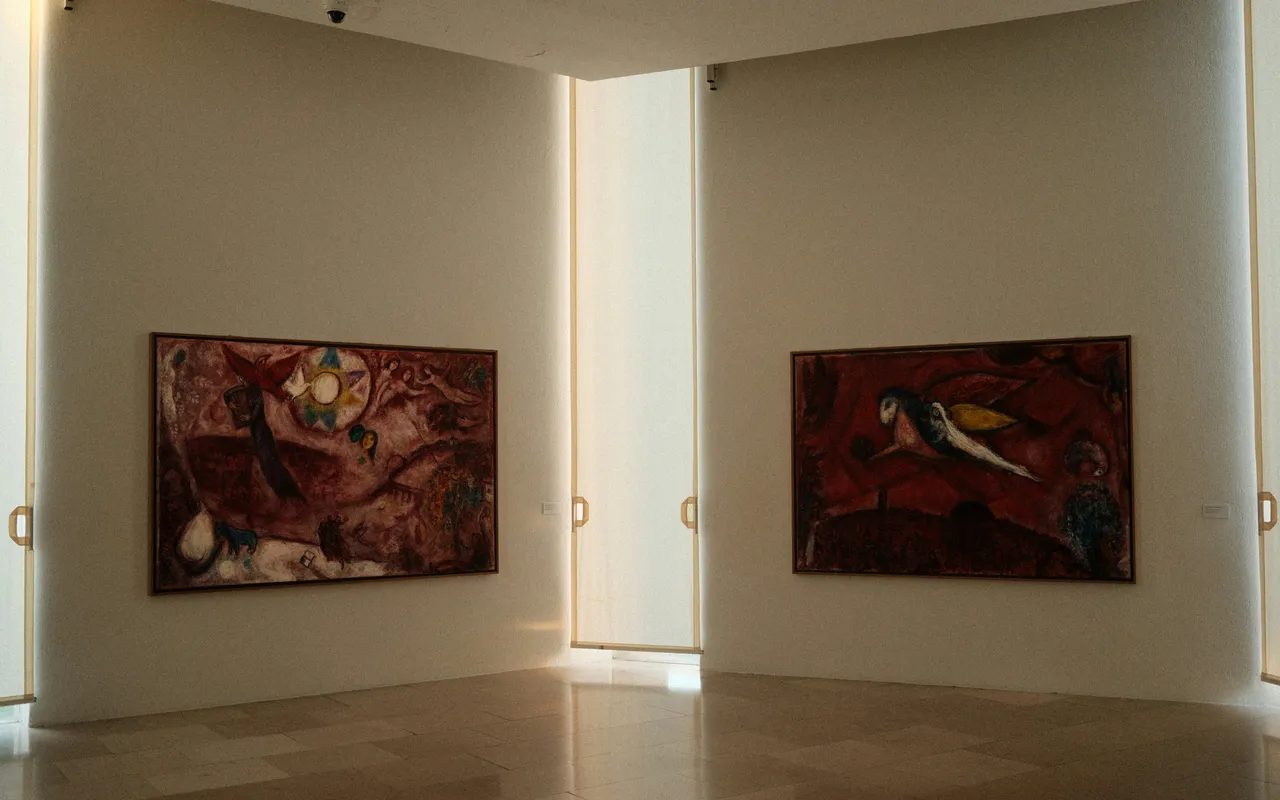
For art specifically, the distinction between a museum of art and a looser cluster of art galleries matters more than most visitors realize. Art galleries in a given area tend to reflect the living culture of that place, what artists are making now, what the local market values, what aesthetic conversations are happening in real time. A museum of art, by contrast, is making an argument about what deserves to be preserved, what fits into a longer arc of art history. Both are worth your time, and both will tell you something different about the culture of a region. The Fondation Maeght in Saint-Paul-de-Vence blurs this line beautifully: it functions as a museum with a permanent collection that includes Miró, Giacometti, and Chagall, but its architecture, its gardens, and its ongoing program of temporary exhibits give it the energy of something still in motion.
Across the broader arts landscape, the institutions that tend to earn the most sustained attention from serious visitors are those that have built a clear identity over time. The Centre Pompidou in Paris redefined what an arts center could be when it opened in 1977, and its satellite in Metz has extended that logic into a regional context with genuine success. The Getty Center in Los Angeles approaches its collection and its architecture with the same seriousness that European institutions bring to historic buildings. In the American context, institutions like the Art Institute of Chicago or the Philadelphia Museum of Art have assembled collections that rival anything in the world for specific periods and movements. What they share with smaller regional museums and cultural attractions is a commitment to the idea that history, properly presented, can change how you see the world around you.

The most honest advice for anyone planning a trip around cultural attractions is simply to resist the pull of the most obvious choices. The historic center of a mid-sized city, the science museum that has been quietly expanding its exhibits for two decades, the single-room collection that a local family spent a lifetime assembling: these are the places that tend to stay with you. Sustained curiosity, not a checklist mentality, is what turns a cultural visit into something genuinely lasting. More often than not, the most meaningful museum experience you can have is the one you almost skipped.
About the author
Alexia Cordoba
Regional development stories often overlook the intersection of heritage preservation and contemporary economic shifts—a gap Alexia Cordoba addresses through her reporting on the Côte d'Azur's evolving landscape. Her work examines how local communities navigate transformation while maintaining cultural identity, drawing on direct observation and stakeholder interviews rather than predetermined narratives. Based in the region, she contributes analysis on infrastructure, tourism policy, and territorial planning to Riviera Luxe Concierge.