Find the Right Luxury Spa Wellness Treatments on the French Riviera
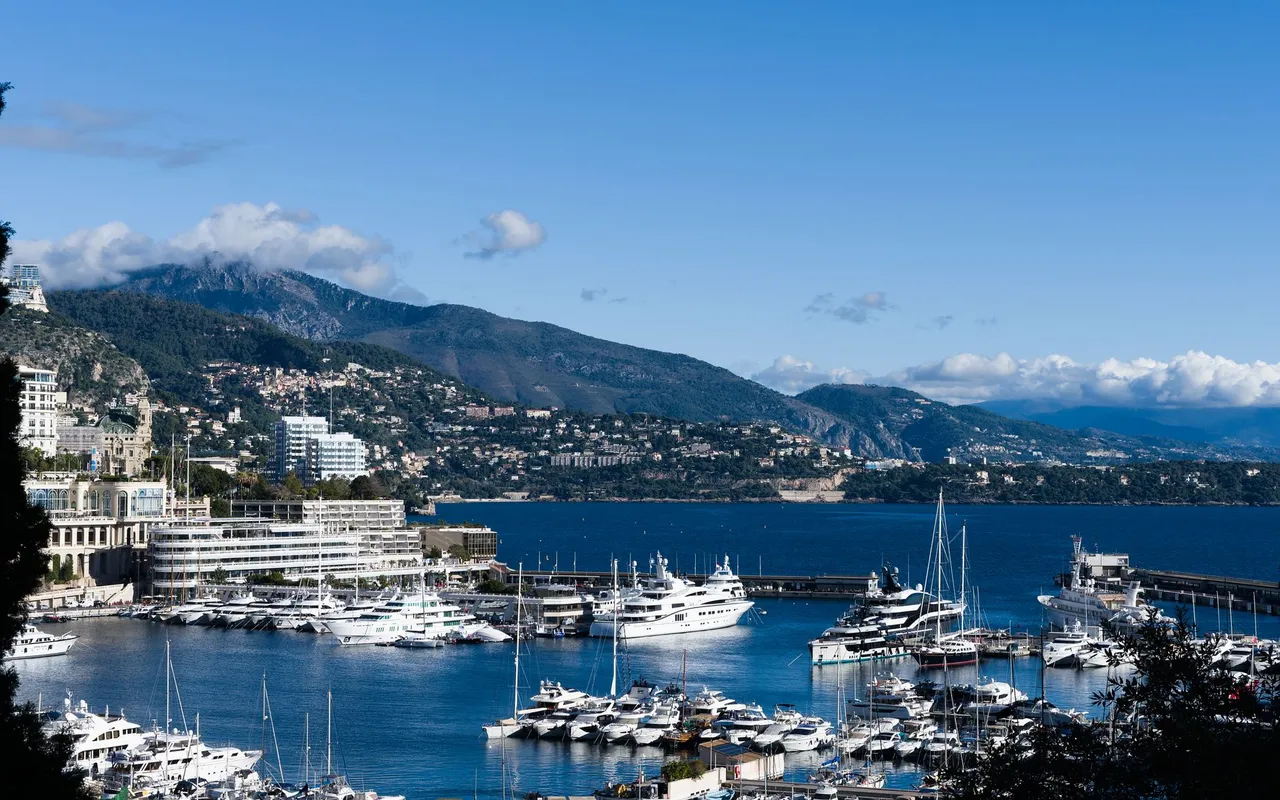
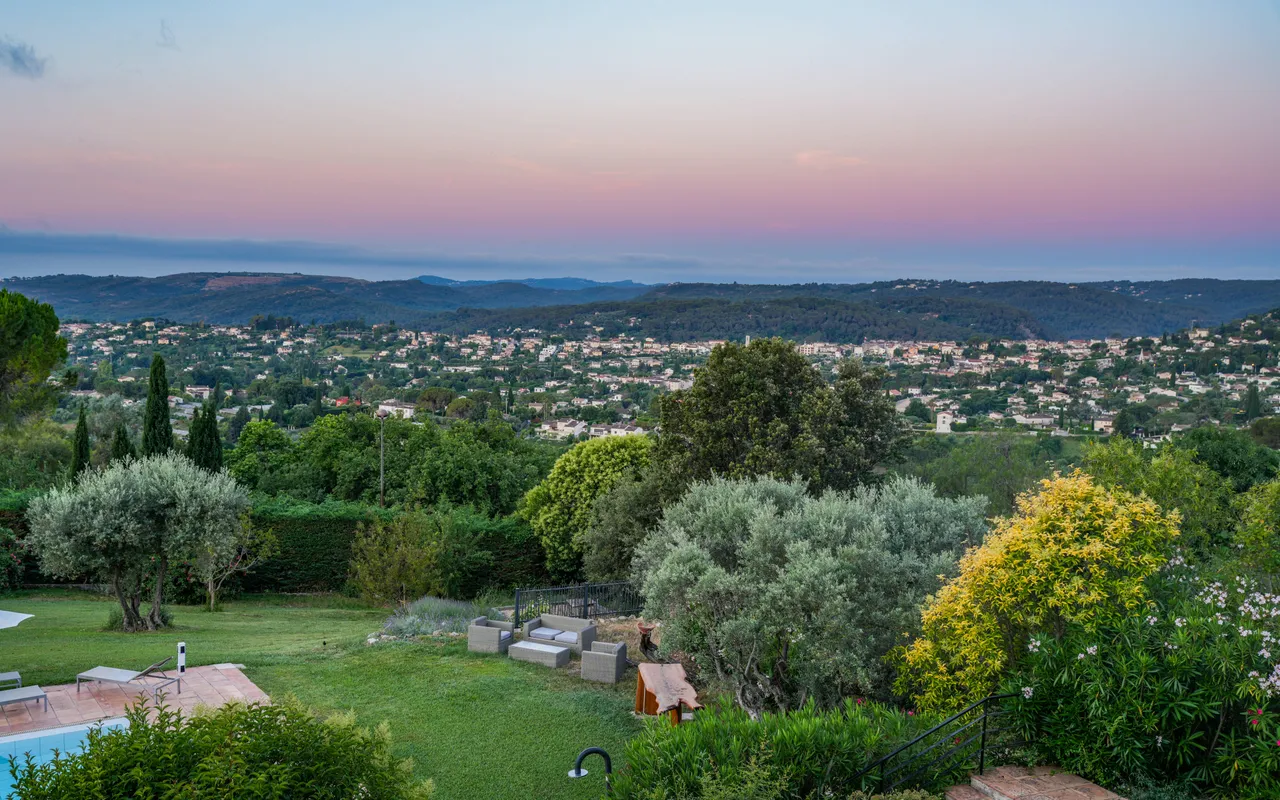
The scent of lavender and warm stone drifts through an open terrace somewhere between Cannes and Èze. Salt air mixes with eucalyptus steam, and the Mediterranean stretches flat and silver below. This is the sensory backdrop against which luxury spa wellness treatments on the French Riviera have built a reputation that draws visitors from across the world, season after season.
What actually sets French Riviera spa treatments apart from elsewhere?
The distinction starts with geography and ends with philosophy. The coast between Menton and Saint-Tropez sits in a microclimate that allows certain botanical ingredients, from mimosa to sea fennel to local olive, to be cultivated and harvested close to where they are used. Many of the region's top establishments have formalized relationships with Provençal producers, meaning that a body wrap or facial is not simply a branded product applied to skin, but something genuinely tied to the land.
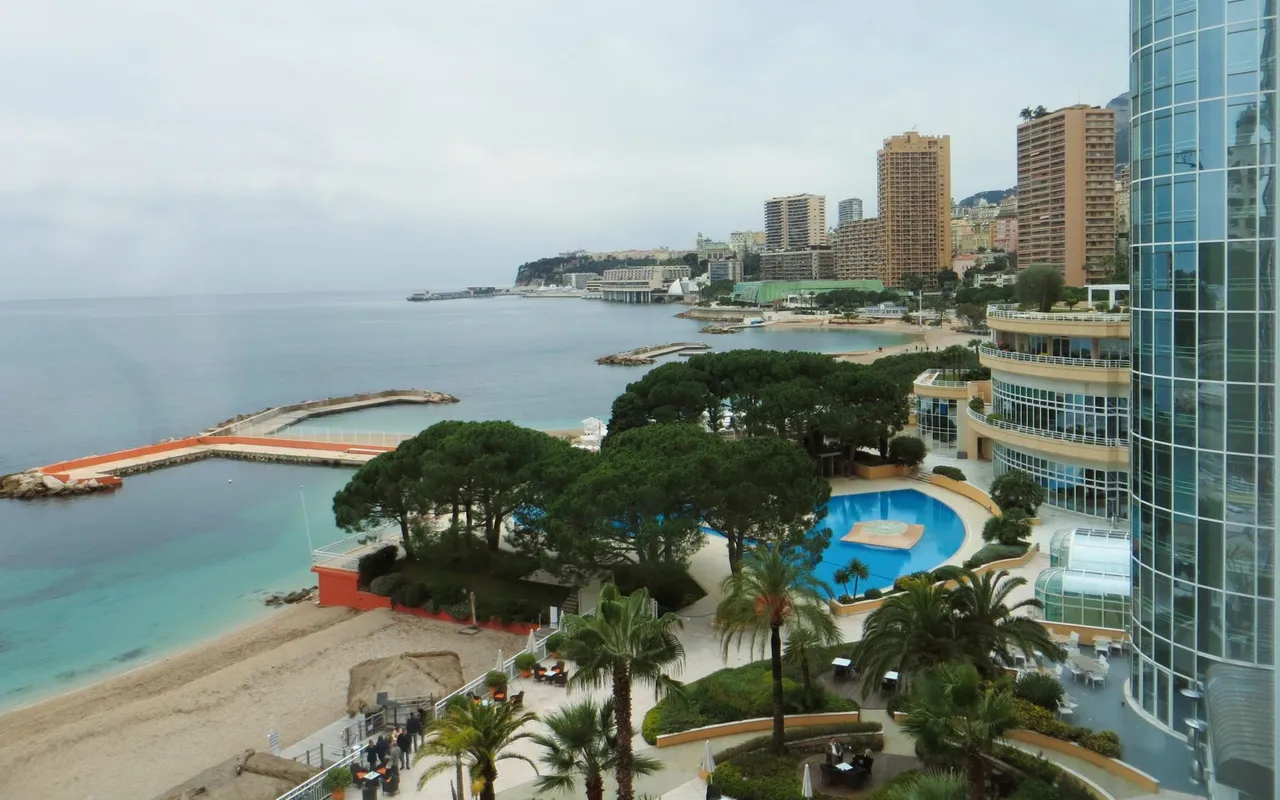
Beyond ingredients, the French Riviera spa culture leans heavily on thalassotherapy, a discipline that uses seawater, seaweed, and marine mud in structured therapeutic programs. Several dedicated thalasso centers along the coast offer multi-day protocols originally developed for post-operative recovery and sports rehabilitation, now adapted for stress management and deep restoration. This is not the same as a hotel spa offering a single seaweed wrap on a menu of forty treatments. The methodology is different, the duration is longer, and the physiological intent is specific.
Finally, the concentration of grand hotel properties in this area, particularly in Nice, Cannes, and Monaco, means that spa facilities here have had decades to refine their offer. The competition is real, and it shows in the quality of therapists, the architecture of the spaces, and the coherence of the wellness journey offered.
How do you choose between a hotel spa and a standalone wellness center?
This depends almost entirely on what you are trying to achieve. A hotel spa attached to a five-star property is designed for convenience and atmosphere. You arrive, you are escorted through a beautifully designed space, you receive a treatment, and you return to your room or the terrace. The experience is seamless, the aesthetic is impeccable, and the price reflects both the treatment itself and the real estate you are sitting in.
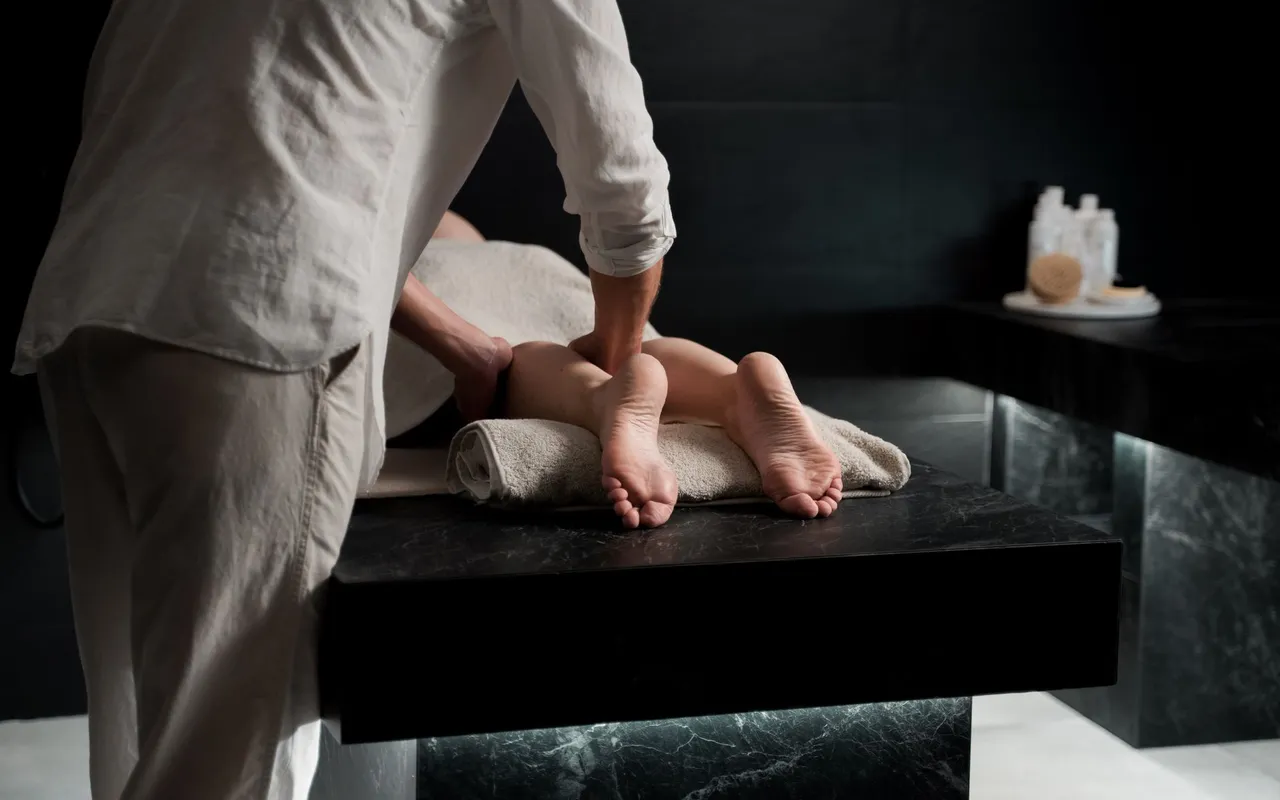
A standalone wellness center or thalasso institute operates differently. The focus is clinical as much as it is experiential. You might spend a full morning cycling through a seawater pool circuit, a pressotherapy session, and a guided relaxation protocol before any hands-on treatment begins. These centers often require booking a minimum package of two or three days to see meaningful results, and the staff are typically trained in physiotherapy or sports medicine alongside traditional massage techniques.
For a short stay or a single afternoon, a hotel spa is almost always the better choice. For genuine physical recovery, chronic stress, or a structured detox, a dedicated wellness institute will deliver more substance. Both categories exist in abundance along the Riviera, which is one reason the region continues to attract wellness travelers who have already experienced comparable facilities in Bali, the Maldives, or Switzerland.
What types of treatments are most associated with this region specifically?
Thalassotherapy remains the most geographically specific offering, but it sits alongside several other treatments that have become closely associated with the French Riviera's wellness identity. Vinotherapy, which uses grape-derived compounds including polyphenols and resveratrol in scrubs, baths, and wraps, is rooted in the broader wine culture of southern France and appears on menus across the coast. The connection to Provence's viticultural heritage gives these treatments a local logic that goes beyond marketing.
Pressotherapy and lymphatic drainage are also disproportionately present here, partly because of the large number of clients who arrive post-cosmetic procedure and require gentle circulatory support. The proximity to Monaco and its population of high-net-worth residents with demanding schedules has shaped the local spa menu considerably. Treatments tend to be efficient, results-oriented, and designed to work around a busy agenda rather than requiring complete withdrawal from daily life.
Aromatherapy using locally sourced essential oils, particularly from the Grasse region just inland from Cannes, is another consistent thread. Grasse has been the center of French perfumery for centuries, and its proximity means that the quality and traceability of essential oils available to Riviera spas is genuinely superior to what most other regions can offer.
What should you expect to pay, and is the premium justified?
Pricing for luxury spa wellness treatments on the French Riviera sits at the higher end of the European spectrum, though it rarely reaches the extremes found in some Swiss or Scandinavian wellness retreats. A single signature treatment at a top hotel spa typically falls in the range of 150 to 350 euros for a 60 to 90-minute session. Full-day access to thermal or thalasso facilities, including group circuit use, tends to range from 80 to 200 euros depending on the property and the season.
The premium is generally justified when the facility has invested in the physical infrastructure, which in thalassotherapy means heated seawater pools, pressurized shower circuits, and properly maintained hydrotherapy equipment. These are expensive to build and operate, and the cost is passed on transparently. Where the premium becomes harder to defend is in hotel spas that charge high rates primarily on the strength of the brand name without offering meaningfully differentiated treatments or therapist quality.
One practical approach is to book treatments midweek and outside the peak summer period. The same facilities, the same therapists, and the same treatments are available in October or March at rates that can be 20 to 30 percent lower than in July. The experience is often better too: quieter, less rushed, and with more availability for longer or bespoke protocols.
How does the Riviera spa scene connect to short-term rental stays?
This is a connection that has grown significantly as the short-term rental market along the coast has matured. Guests staying in high-end villas or apartments through platforms like Airbnb increasingly expect concierge-level access to local wellness experiences, and spa partnerships with rental management companies have become a genuine differentiator in the premium segment.
Some luxury property managers now include curated wellness itineraries as part of their welcome package, pre-booking treatments at partner spas and arranging in-villa services such as private massage or yoga instruction. For a guest renting a villa in Cap Ferrat or Antibes for a week, having a trusted recommendation and a pre-arranged appointment at a serious spa is worth considerably more than a generic list of nearby options. It removes friction and signals that the host understands what this kind of traveler actually wants.
In-villa treatments have also expanded the definition of what luxury spa wellness treatments on the French Riviera can mean. A certified therapist arriving with a portable table, quality products, and a structured 90-minute protocol delivers something genuinely different from a hotel spa experience: privacy, flexibility, and the ability to continue relaxing in your own space afterward. For families traveling with children or guests with mobility considerations, this format has become the preferred option rather than a fallback.
Are there meaningful differences between summer and off-season wellness visits?
The difference is significant enough to influence the choice of treatment and the type of establishment you target. Summer on the Riviera is intense: heat, crowds, and a social calendar that leaves little room for the kind of stillness that deep wellness work requires. Hotel spas are heavily booked, thalasso centers fill their morning slots weeks in advance, and the overall atmosphere, however beautiful, is not conducive to genuine restoration.
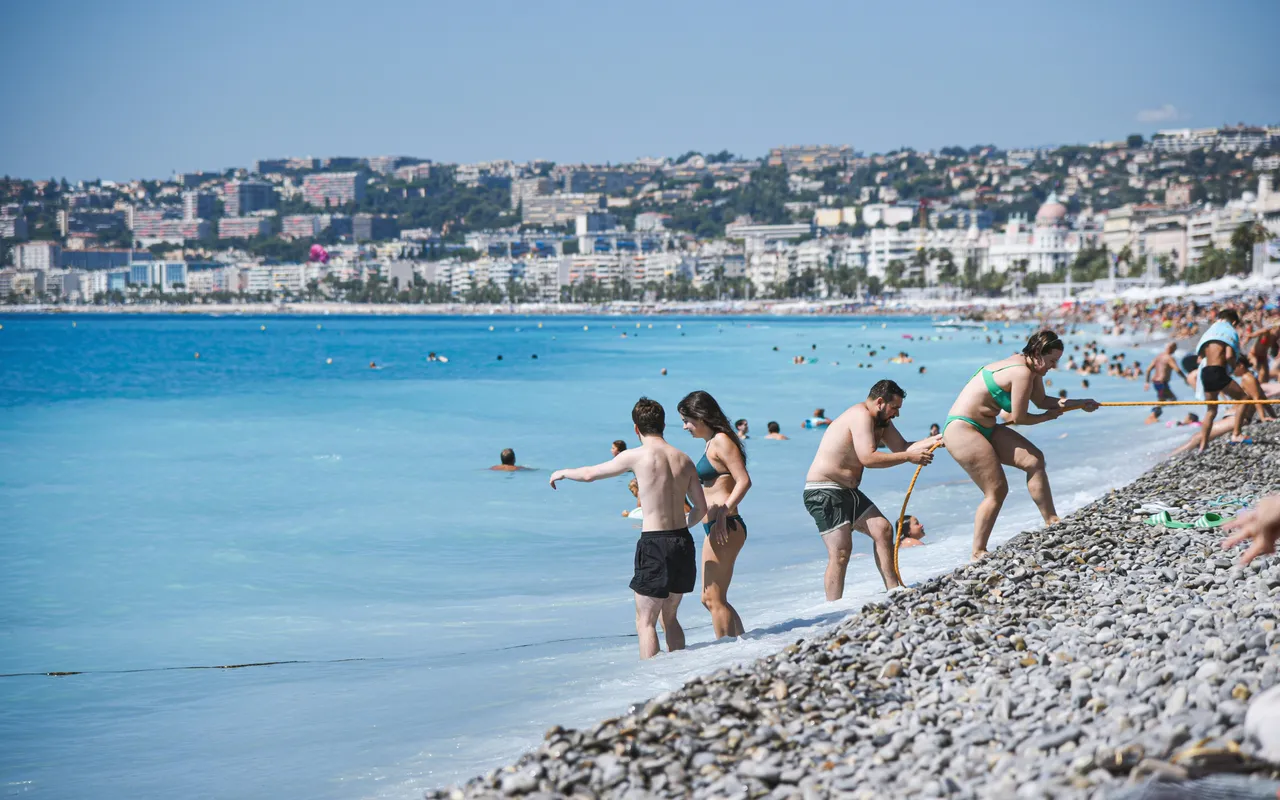
The shoulder seasons, roughly from late September through November and from March through May, offer a fundamentally different experience. The light is still extraordinary, the sea remains swimmable well into October, and the wellness infrastructure operates at a pace that allows for more attentive service and more flexible programming. Many serious wellness travelers deliberately avoid summer and plan their Riviera stays around these quieter windows, combining spa programs with hiking in the arrière-pays or visits to the perfume workshops in Grasse.
About the author
Corinne Boudara
Those seeking to understand the Côte d'Azur's real estate landscape and luxury market dynamics find in Corinne Boudara a journalist who examines regional developments through property trends, investment patterns, and local economic shifts. Her coverage of the French Riviera focuses on how geographical and regulatory factors shape the region's wealth concentration and residential choices. Working across regional business journalism, she reports on the intersection of lifestyle, economics, and territorial change along the Mediterranean coast.