Buying a luxury villa on the French Riviera: how four iconic addresses actually compare
When the search for the perfect property feels overwhelming
The luxury real estate French Riviera market is not short of options. If anything, that abundance is the problem. You scroll through listings and see exceptional villas with panoramic sea view, contemporary architecture perched above the Mediterranean, historic bastides hidden behind stone walls, and gated estate compounds that feel more like private resorts than family homes. All of them promise the dream. Not all of them deliver it equally.
The French Riviera stretches from the Italian border past Nice, Antibes, and Cannes, and every few kilometers the character of the market shifts. Prices, living conditions, the type of buyer, the style of property for sale, all of it changes. Before you commit to one of the most significant purchases of your life, it helps to understand what each address actually offers, and what it costs you in ways that do not always appear on the listing.
Cannes and Cap d'Antibes: old glamour, serious money
Cannes is the name most buyers outside France associate with the Côte d'Azur, and that recognition carries a price. The most prestigious addresses sit on the Cap d'Antibes peninsula and along the Croisette's private enclaves, where a sea view villa rarely comes to market without a significant premium attached. What you get in return is genuine prestige: a living environment shaped by decades of international attention, a year-round calendar of cultural and professional events, and a property stock that ranges from Belle Époque mansions to sleek contemporary builds with infinity pools and breathtaking views over the Lérins Islands.
For buyers who want their home to function as both a private retreat and a statement address, Cannes delivers. The sale market here is active across all seasons, driven by French, European, and international buyers who value the city's infrastructure as much as its scenery. Antibes itself, just east of the cap, offers a slightly more grounded experience. The old town is one of the most genuinely liveable on the coast, with a real market, authentic restaurants, and a marina that attracts serious sailing culture. Villas for sale around Cap Antibes tend to offer exceptional property at prices that, while still high, can feel more rational than comparable listings in Monaco's orbit.
For buyers who prioritize living well year-round rather than simply owning a prestigious address, Cap Antibes and its surroundings offer one of the most balanced propositions on the Riviera. The real estate stock is varied enough to accommodate different tastes, and the peninsula's scale means that genuine privacy is achievable without sacrificing access to the coast's best amenities.
Nice and its hillside villages: the case for substance over spectacle
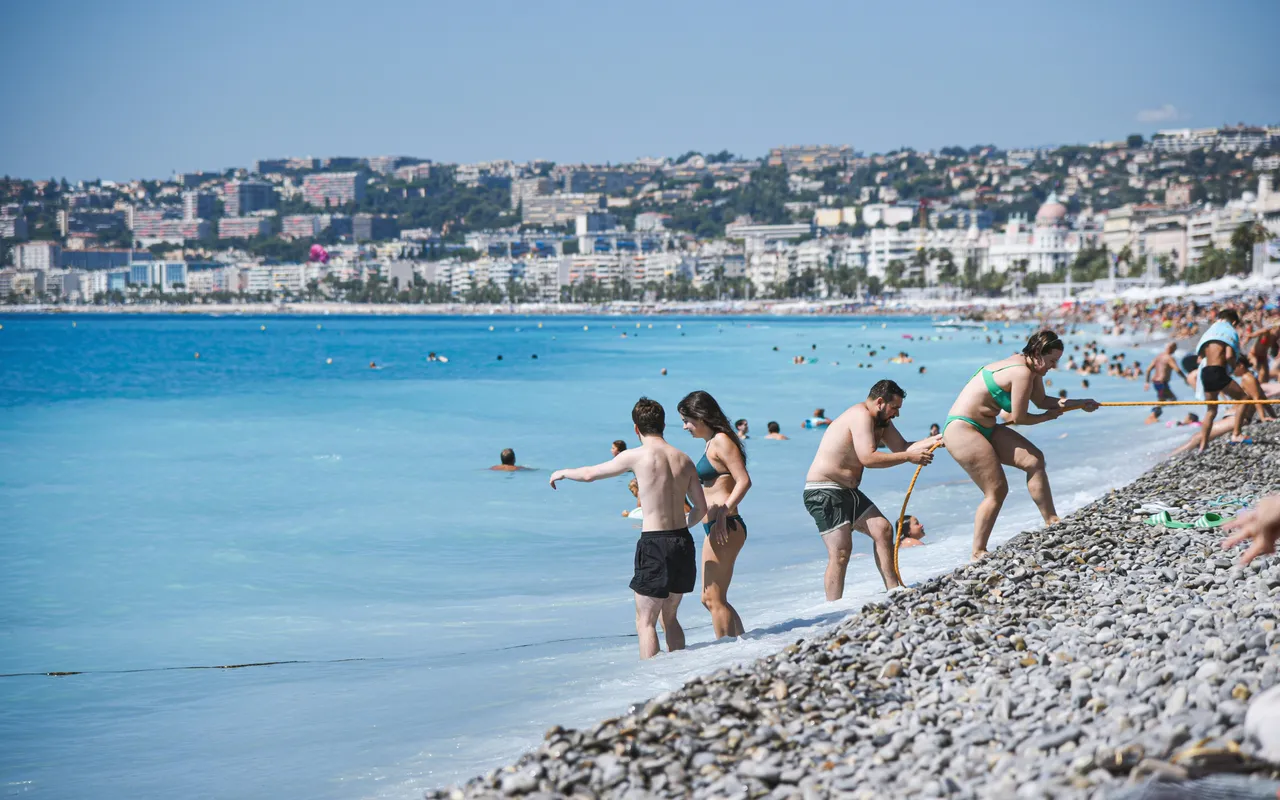
Nice is frequently underestimated by buyers chasing more famous names. That underestimation is increasingly hard to justify. The city has a functioning international airport, a genuine urban culture, and a real estate market that spans everything from historic Italianate palaces to modern villa builds above the Baie des Anges with panoramic views stretching toward the horizon. The hills above Nice, from Mont Boron to Cimiez, concentrate some of the most exceptional sea view properties on the entire coast, often at prices that still offer real value relative to the living quality on offer.
For families or buyers who plan to spend significant time in their home rather than visiting for a few weeks each summer, Nice makes a compelling argument. The infrastructure is there: schools, hospitals, transport links, a property market with genuine depth and liquidity. Properties for sale in the premium segments are not as scarce as in smaller villages, which gives buyers more negotiating leverage and more opportunity to find a home that fits their specific requirements.
The most expensive neighborhoods, particularly those with direct sea views and proximity to the Promenade des Anglais, command prices that rival the most prestigious addresses in France. But the city's scale means that exceptional properties exist at multiple price points, something that cannot be said for every address on this list. The south of France as a whole benefits from Nice's role as its main urban hub, and that connectivity adds long-term value to any purchase in the surrounding area.
Saint-Jean-Cap-Ferrat: the most exclusive peninsula on the coast
Ask any serious buyer or agent where the wealthiest residents of the French Riviera actually live, and Saint-Jean-Cap-Ferrat comes up immediately. The peninsula sits between Nice and Monaco, and its combination of exceptional natural beauty, extreme scarcity of available land, and historical association with European aristocracy and international wealth has made it the single most prestigious address on the entire coast, arguably the most exclusive residential address in France.
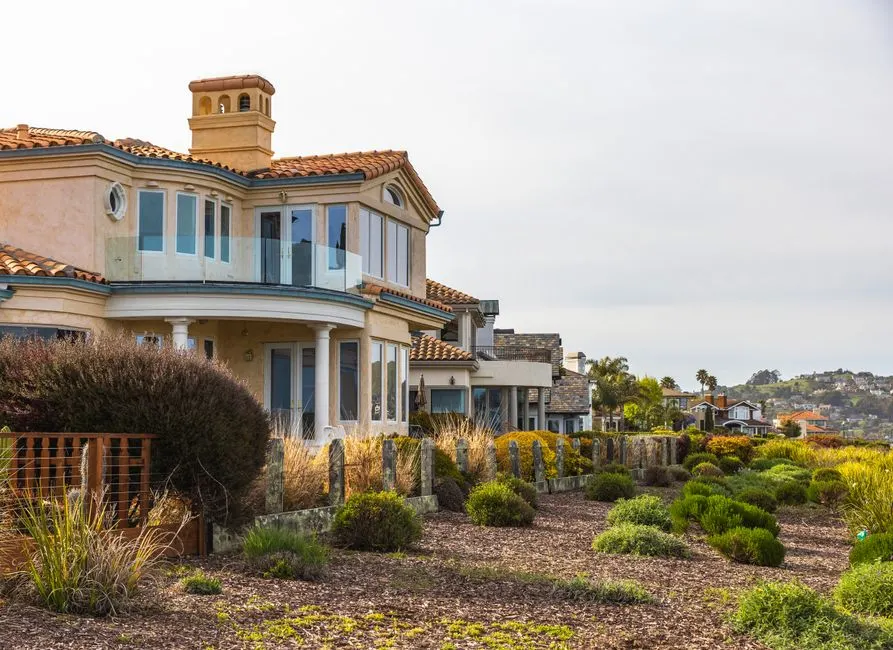
The cap offers something that most of the Riviera cannot: genuine privacy. Villas here sit within large wooded plots, often with direct sea access and panoramic sea view terraces that look out over the Mediterranean from multiple aspects. The sale market is extremely thin. Properties for sale on the cap come to market rarely, and when they do, they attract international buyers from across Europe, the Americas, and the Gulf states. The principality of Monaco is a short drive away, which adds a practical dimension for buyers with business or tax interests in the principality.
Cap Ferrat is not for buyers who want activity or urban convenience. The peninsula is quiet, residential, and deliberately removed from the rhythms of daily commerce. That is precisely its appeal. If your priority is an exceptional property in a setting that offers unmatched natural beauty, complete discretion, and the security of owning in one of the most liquid luxury markets in Europe, this is where you look. The right property here is worth waiting for.
What serious buyers should understand about this market before committing
The broader luxury real estate French Riviera market has demonstrated a consistency that few comparable markets in Europe can match. Demand from international buyers remains structural rather than cyclical. The south of France continues to attract buyers who are not simply purchasing a holiday home but making a long-term living decision, often with family and generational considerations in mind.
For buyers asking whether it is wise to buy property in France now, the honest answer is that the Riviera operates by different rules than the French national market. Luxury villa stock in Cannes, Nice, Antibes, and Saint-Jean-Cap-Ferrat is finite. The sea views, the climate, the access to international airports, and the cultural infrastructure are not replicable elsewhere in France. That scarcity is structural, and it underpins the long-term resilience of values across the coast.
What changes is opportunity. A motivated seller, an estate that has been held by the same family for decades, a contemporary villa that comes to market before its profile has been fully established, these are the moments that reward buyers who have done the work of understanding each address properly. Spend time in each location across different seasons before committing. Discover what living there actually feels like, not just what the listing photographs suggest.
The most prestigious properties on the French Riviera are not simply assets. They are places where the exceptional quality of the Mediterranean light, the sea air, and the accumulated culture of the coast become part of daily life. Each of the four addresses compared here delivers that in its own way. The question is which version of that life fits yours.
About the author
Mateo
Working across the Côte d'Azur's luxury sector for over a decade, Mateo brings an insider's perspective to regional stories that matter. His reporting focuses on how local developments—real estate shifts, hospitality trends, cultural initiatives—shape the Riviera's landscape and influence those who live and invest here. Rather than surface-level coverage, he examines the forces reshaping the region's identity.