The Best Beaches on the French Riviera, Ranked Without the Usual Hype
The French Riviera has a reputation that arrives before you do. You picture white sand, crystalline water, and effortless glamour, and while all of that exists here, the reality is more layered and more interesting than any postcard. Knowing which beach actually suits you, and how to get there without wasting half your morning, makes all the difference between a forgettable trip and something you talk about for years.
The Myth That Every Beach Here Is Pebbles and Pain
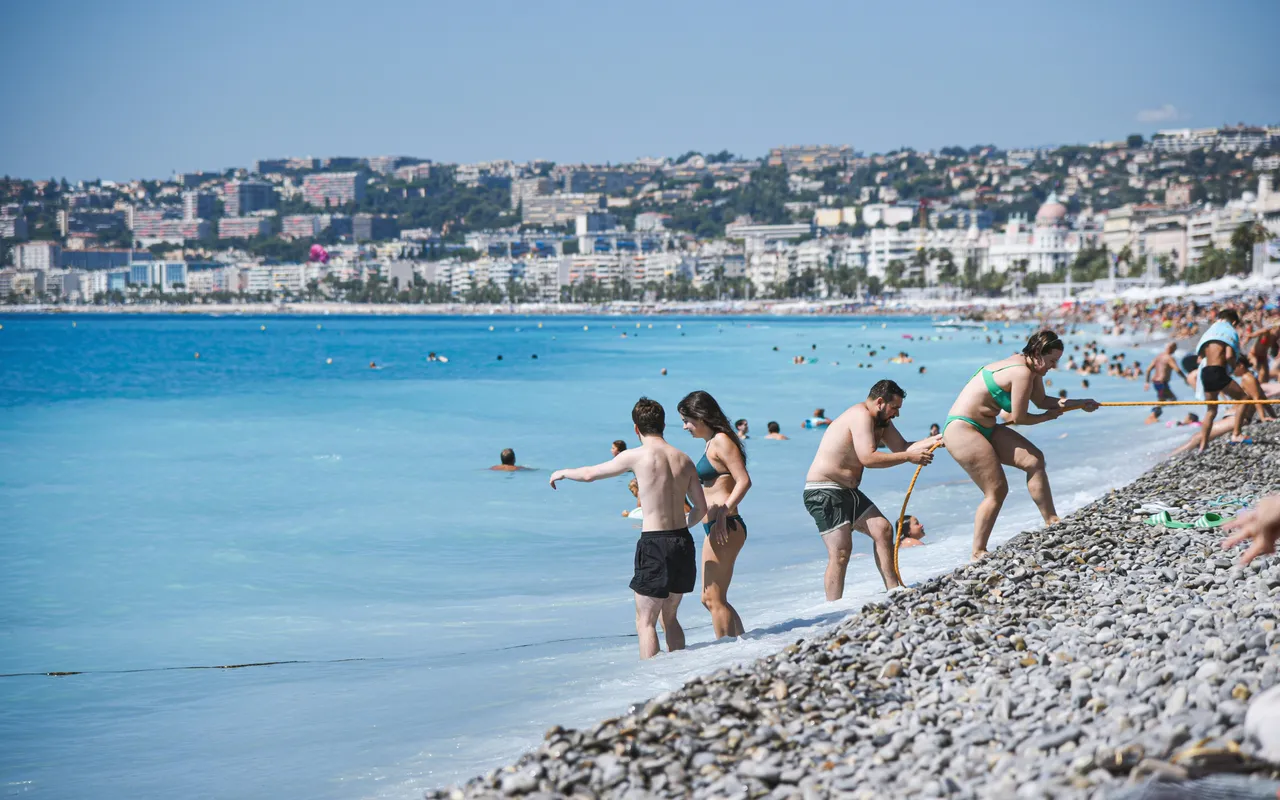
Nice is the most visited city along the coastline, and yes, the famous Promenade des Anglais runs beside a beach that is almost entirely smooth grey pebbles. That surprises visitors from France's Atlantic coast, where sand is the default. But pebbles are not a flaw. They keep the water exceptionally clear, and you can walk straight into the sea without wading through murky shallows. The public beach in Nice is free, wide, and genuinely one of the most democratic spaces in France: families, retirees, students, and tourists all share the same strip without hierarchy. Beach clubs line the promenade and charge around 20 to 30 euros for a lounger and umbrella, which is reasonable for one of the most iconic waterfronts in Europe. From Nice you can also walk into the old town within ten minutes, a rare convenience on this coastline, where most beach destinations require a car or a bus to find anything worth eating.
The question of whether it is better to stay in Antibes or Nice comes up constantly, and there is no single answer, but there is an honest one. Nice gives you scale: more restaurants, more transport links, more of the urban energy that makes a city feel alive. Antibes gives you proximity to some of the most beautiful beaches on the entire south of France, and a town that still feels like it belongs to the people who live there rather than to summer tourism alone. Cap d'Antibes is the peninsula that juts into the sea just south of Antibes town, and it is here that the French Riviera earns its most breathtaking reputation. The water around the Cap is a shade of blue that photographers struggle to reproduce honestly, and the coastline shifts between rocky outcrops and small sandy coves that feel almost secret. A private conciergerie service based in the area can arrange priority access to the best beach clubs, private boat transfers to secluded coves, and curated itineraries that take the guesswork out of the day entirely.
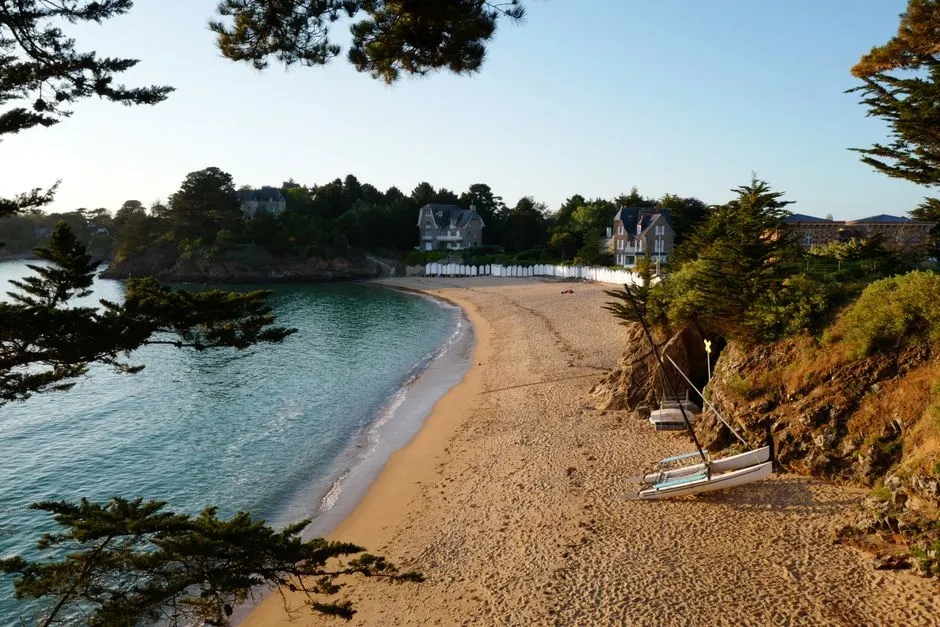
Plage de la Garoupe is one of those coves, and it is probably the most famous sandy beach on the Cap. It faces east, which means the water is calmer here than on the exposed southern tip, and you can find both public beach sections and private beach clubs side by side. Paloma Beach, formally known as Plage Paloma, sits just around a headland from Garoupe and is consistently ranked among the most beautiful beaches in this part of France. The setting is extraordinary: pine trees lean over the water, the sea is shallow and warm in summer, and the beach club here has a restaurant that sources locally and takes its food seriously. You are not just paying for a sunbed. You are paying for one of the most considered beach experiences on the Riviera, and most people who go once find a way to go back. Booking through a luxury concierge service is often the only reliable way to secure a table here in high season, when walk-ins are turned away by mid-morning.
What the Rankings Miss About the Prettiest Spots
Every list of the best beaches on the French Riviera will mention Èze, Saint-Jean-Cap-Ferrat, and Menton, and all of them deserve their place. But the prettiest beach town in the south of France is not always the one with the most social media posts. Villefranche-sur-Mer is the answer that locals tend to give when you ask them directly. It sits between Nice and Monaco, it has a proper sandy beach in a protected bay, the water is calm and clear, and the town behind it is compact, colorful, and full of restaurants that have not yet optimized their menus for foreign tourists. You can walk from the beach to a table for lunch in under five minutes, and that ease of movement is something you lose in more crowded destinations.
Saint-Jean-Cap-Ferrat is where the peninsula between Villefranche and Beaulieu-sur-Mer reaches into the sea, and here you find Plage de Passable on the western side and smaller coves on the eastern walk around the Cap. The water here is remarkably still in summer, and the views across to Villefranche and back toward Nice on a clear day are the kind that make you stop mid-sentence. Private beaches here are among the most exclusive on the Riviera, but there are also free public access points along the coastal path, and you can walk the full circuit of the Cap in around ninety minutes. A villa rental on the Cap with concierge support typically includes a dedicated beach setup, chilled towels, and a driver on call, which changes the rhythm of the day entirely.
Plage Mala is one of those beaches that does not advertise itself. It is tucked below the cliffs of Cap d'Ail, accessible by a steep path from the road above, and it rewards the effort with white sand, turquoise water, and a scale that feels human rather than industrial. There is a beach club here with a restaurant and reasonable prices by Riviera standards, but there is also a free public section where you can lay a towel on the sand and feel like you have found something that most visitors miss entirely. The water is calm, the cliffs provide shade in the afternoon, and the silence in the early morning, before summer crowds arrive, is something genuinely rare along this coastline.
Menton sits at the far eastern end of the French Riviera, almost at the Italian border, and it is the beach town that most people skip because it feels too far from Nice or too quiet for a main base. Both of those things are also its strengths. The beaches here are a mix of sand and fine pebble, the water is warm and clear, and the old town rises directly from the seafront in a cascade of ochre and terracotta that is unlike anything else in France. Water sports are available here, including kayaking, paddleboarding, and jet ski hire, and the promenade is wide and unhurried. You can walk along the seafront for kilometers without feeling like you are fighting for space, which is not something you can say about Cannes or Saint-Tropez in July.
Cannes deserves a direct mention because it is one of the most recognizable names on the Riviera, and its beaches are genuinely good, even if the city has leaned hard into its film festival identity. The Croisette runs along a long curve of sand, and while much of the best frontage is occupied by private beach clubs attached to the grand hotels, there are public beach sections that are well maintained and free. The sand here is imported and topped up regularly, which is how Cannes maintains its sandy beach reputation while most of its neighbors have pebbles. The views from the Croisette back toward the hills are beautiful on clear days, and the Îles de Lérins are visible offshore, giving you an easy half-day private boat charter option when you are ready for something quieter. A good concierge will have a trusted skipper on speed dial.
The nicest stretch of the French Riviera is not a single place. It is a corridor that runs roughly from Villefranche-sur-Mer to Cap d'Antibes, where the coastline is most varied, the towns are most livable, and the water is consistently at its clearest. This is also where you find the highest concentration of exceptional beach experiences: some free, some expensive, some requiring a walk down a cliff path, some just steps from a hotel lobby. The best beaches on the French Riviera are not all in the same place, and that is exactly the point. You have to move, explore, and make choices based on what you actually want from a beach day, rather than what the brochure tells you to want. That independence is what makes this coastline genuinely rewarding for travelers who are willing to look past the obvious.
About the author
Alexia Cordoba
Regional development stories often overlook the intersection of heritage preservation and contemporary economic shifts—a gap Alexia Cordoba addresses through her reporting on the Côte d'Azur's evolving landscape. Her work examines how local communities navigate transformation while maintaining cultural identity, drawing on direct observation and stakeholder interviews rather than predetermined narratives. Based in the region, she contributes analysis on infrastructure, tourism policy, and territorial planning to Riviera Luxe Concierge.