Luxury Second Homes in Antibes and Cannes Deliver More Than Views
The French Riviera Property Market Is Not What Most People Assume
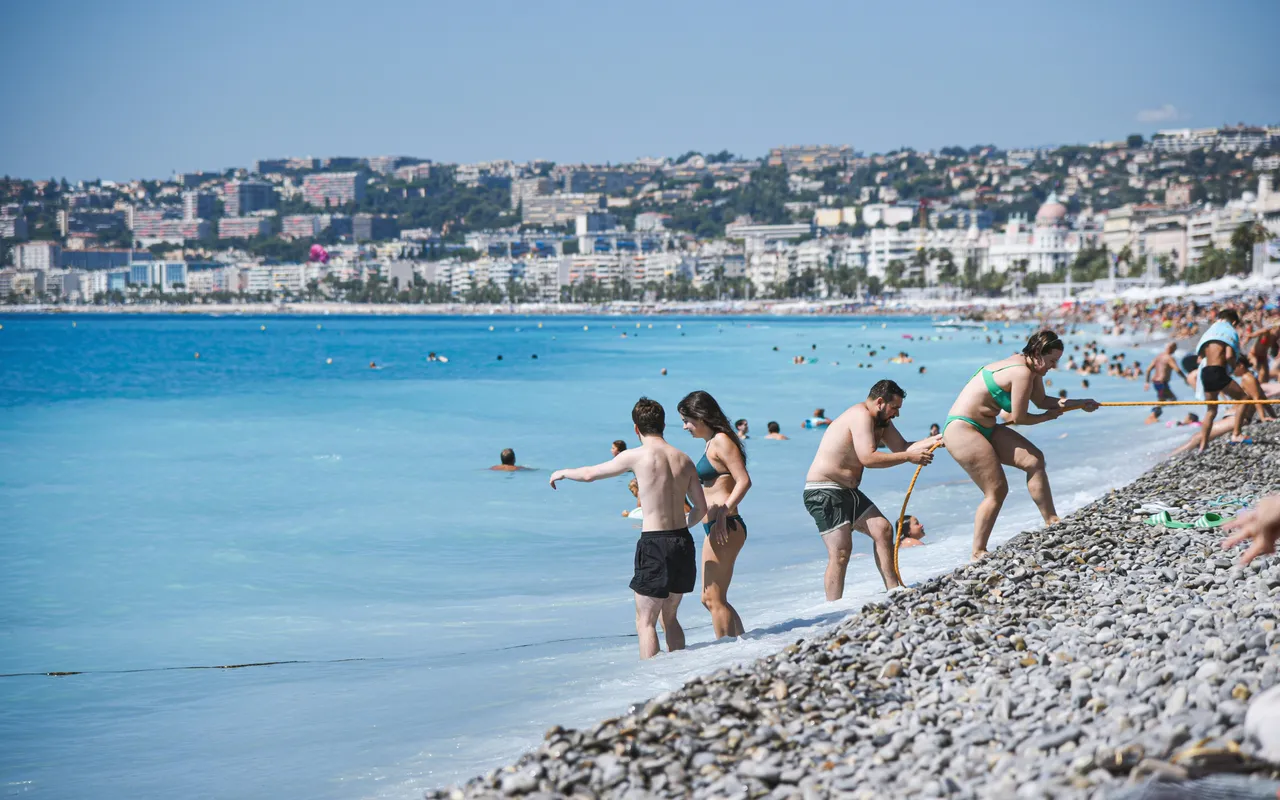
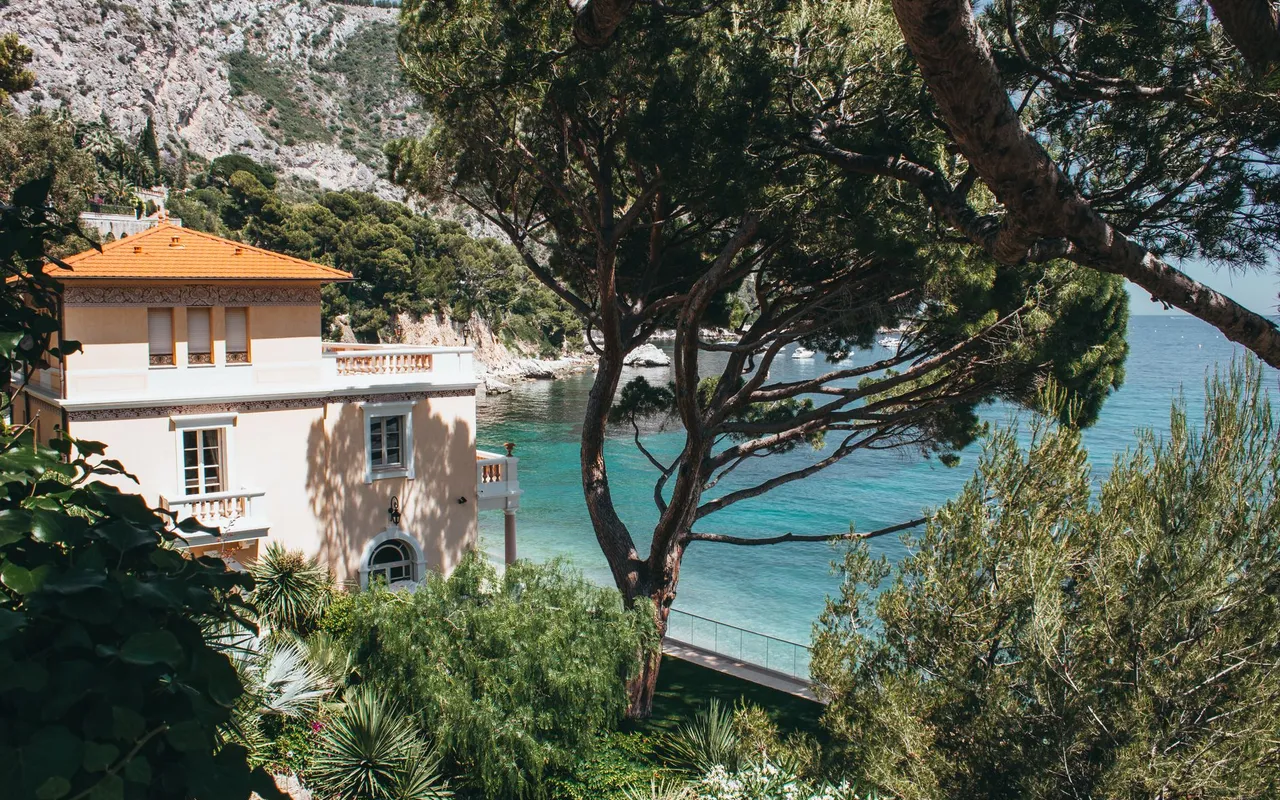
The idea that luxury second homes in Antibes and Cannes are simply trophies for the ultra-wealthy misses the real picture. Yes, the French Riviera commands some of the highest property prices in Europe, but the market is far more nuanced than that narrative suggests. Cap Antibes has long been considered one of the most exclusive residential enclaves on the entire Mediterranean coastline, yet the range of villas available for sale spans an enormous spectrum, from architecturally refined contemporary builds with pool and sea views to historic stone bastides tucked behind centuries-old pine trees. The real estate here functions on its own logic, shaped by scarcity, international demand, and a geography that simply cannot be replicated.
What drives buyers toward this stretch of the Côte d'Azur is not just prestige. It is the specific combination of an exceptional living environment, proximity to international airports, a functioning urban infrastructure in Antibes and Cannes, and a coastline that offers something genuinely rare: calm bays, sailing culture, and a pace of life that feels earned rather than performed. Cap Antibes, with its rocky peninsula jutting into the sea between the two cities, has attracted a sophisticated international clientele for well over a century. That continuity is itself a form of value.
Cap Antibes and Juan-les-Pins Are Not the Same Place
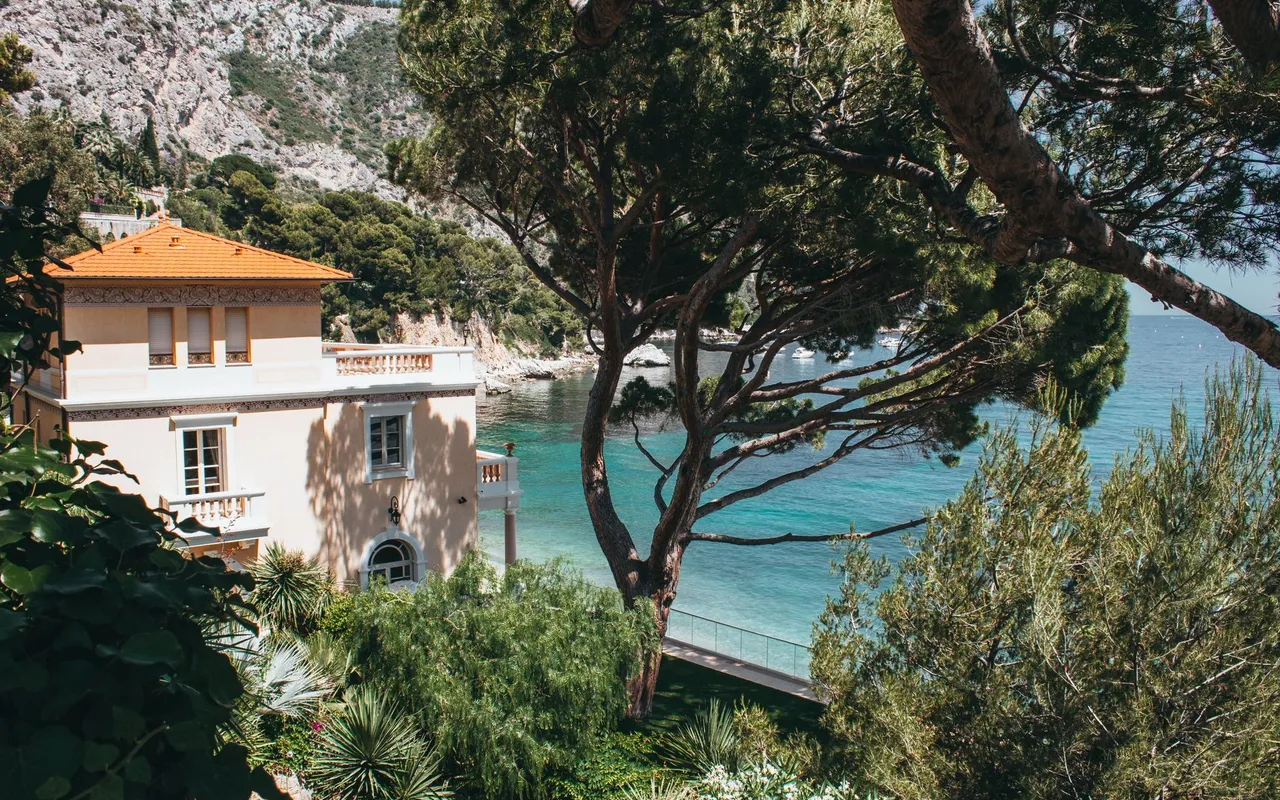
A persistent confusion among buyers new to this market is treating Cap Antibes and Juan-les-Pins as interchangeable. They are not. Juan-les-Pins sits on the western flank of the Cap, facing the Golfe Juan, with a lively beach culture, a jazz history stretching back decades, and a more accessible real estate entry point. Cap Antibes proper, the elevated and largely residential heart of the peninsula, is where the most exceptional villas for sale tend to cluster, many of them hidden behind walls and gates with uninterrupted sea views toward the Esterel massif. The distinction matters enormously for buyers who want genuinely private living conditions versus those who want proximity to restaurants and nightlife.
Juan-les-Pins offers its own appeal, particularly for buyers who want the prestige of a Cap Antibes address with slightly more urban energy around them. Properties for sale in this pocket of the French Riviera tend to move quickly, and the inventory of villas with sea access or a pool at this location is genuinely limited. Any real estate agency operating seriously in this market will confirm that properties here rarely sit unsold for long, especially when they carry exceptional attributes like direct sea access or elevated terraces with panoramic exposure.
What Taxes and Costs Actually Look Like for Foreign Buyers
One of the most common questions from international buyers concerns taxation. In France, owning a second home carries real fiscal obligations that go beyond the purchase price. The taxe foncière, a property ownership tax, applies to all real estate regardless of residency status. For non-residents, rental income generated from a villa that has been acquired and subsequently let is subject to French income tax, typically around 20% for EU residents and potentially higher for others, depending on applicable tax treaties. Capital gains tax on the sale of a second home in France sits at 19% for EU residents, with social levies adding further to that figure. These numbers are not trivial for high-value transactions, and any serious buyer should work with a French notaire and a cross-border tax advisor before committing.
The question of whether property is expensive in Antibes relative to Cannes is genuinely interesting. Cap Antibes consistently commands premium pricing for exceptional villas with sea views, with the most sought-after properties reaching figures that rival Saint-Jean-Cap-Ferrat. Cannes itself, particularly the Californie hillside neighborhood, offers its own exceptional living proposition with panoramic views over the bay. Both markets have proven resilient across economic cycles, which is part of what makes luxury second homes in Antibes and Cannes a strategic acquisition for buyers thinking beyond lifestyle alone.
Celebrity Ownership and the Myth of the Closed Market
The French Riviera has always attracted figures from film, finance, and fashion, and this corner of the coast is no exception. The Cannes Film Festival has cemented the city's identity in the global imagination, while Cap Antibes has historically drawn artists, writers, and industrialists who valued its quieter atmosphere. The presence of high-profile owners does not, however, make this a closed market. International buyers from across Europe, the Middle East, and beyond are active here, and the real estate sale process in France is transparent and regulated, with mandatory disclosure requirements that protect all parties.
Exceptional villas of significant scale exist in a separate category, where sale timelines are long, discretion is standard, and transactions often occur off-market entirely. This is simply how the upper end of the French Riviera real estate market functions. For buyers whose search falls within this range, working with a specialist estate agency with genuine local roots is not optional. It is the only realistic path to the properties that never appear in public listings, the ones that define what exceptional living on the Cap truly means. Short-term rental platforms including Airbnb have also reshaped how some owners approach their second homes here, using professional property management to generate income during periods when the villa sits empty, a practice that has become increasingly structured and regulated across the Alpes-Maritimes department.
About the author
Nicolas Clémenceau
Navigating the complexities of regional development requires understanding both local stakeholders and broader economic patterns. Nicolas Clémenceau examines how territorial initiatives reshape communities, focusing on the intersection of policy, infrastructure, and cultural heritage. His reporting on regional dynamics emphasizes concrete outcomes over institutional narratives.